Introduction
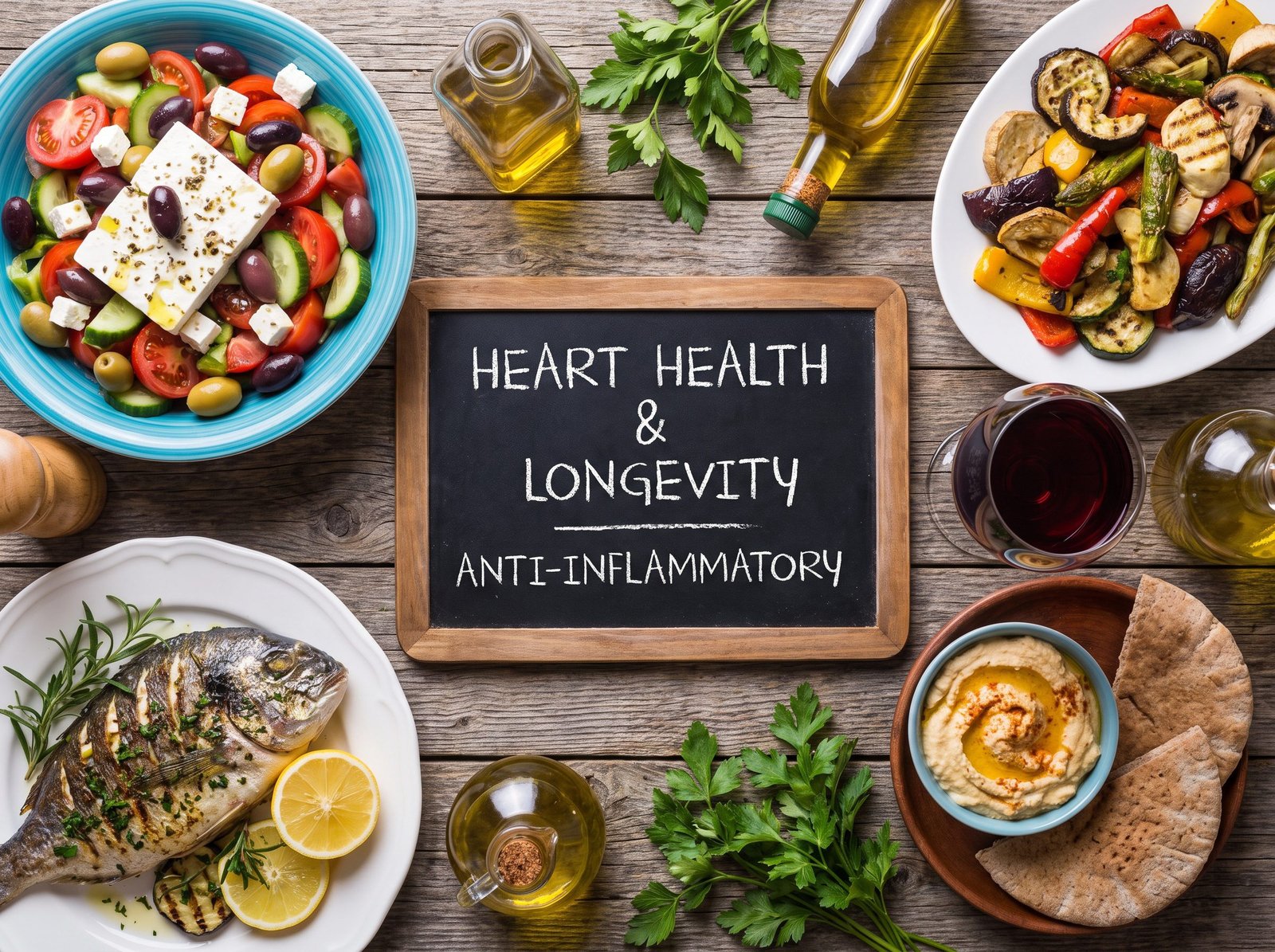
The Mediterranean diet is one of the healthiest eating patterns in the world. Inspired by the traditional cuisines of countries like Greece, Italy, and Spain, this diet focuses on fresh vegetables, fruits, whole grains, legumes, nuts, olive oil, fish, and lean proteins. Unlike restrictive diets, the Mediterranean diet encourages balanced eating and long-term healthy habits rather than short-term weight loss.
Many health experts recommend the Mediterranean diet because it is linked to better heart health, improved brain function, healthy weight management, and a lower risk of chronic diseases. Whether your goal is to eat healthier, lose weight, or simply enjoy delicious meals, the Mediterranean diet offers a flexible and enjoyable lifestyle.
If you’re looking for healthy snacks, check out our Top 10 Healthy Snacks for Weight Loss.
What Is the Mediterranean Diet?
The Mediterranean diet is based on eating natural, minimally processed foods while limiting refined sugar, processed meats, and unhealthy fats. Instead of counting calories, it emphasizes food quality and balanced nutrition.
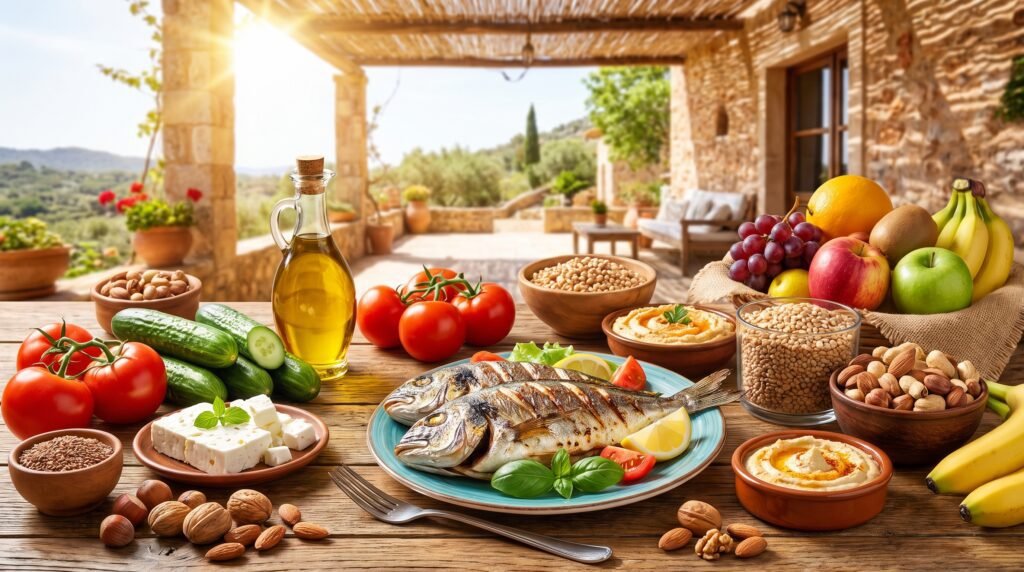
A typical Mediterranean meal includes colorful vegetables, fresh fruits, healthy fats like olive oil, whole grains, beans, seafood, herbs, and moderate amounts of dairy products. Red meat and sugary desserts are enjoyed only occasionally.
This eating pattern is not just about food. It also encourages regular physical activity, drinking enough water, cooking at home, and sharing meals with family and friends.
Learn more about healthy eating recommendations from the American Heart Association.
10 Benefits of the Mediterranean Diet
1. Supports Heart Health
Olive oil, nuts, and fatty fish provide healthy fats that may help maintain healthy cholesterol levels and support normal heart function.
2. Helps with Weight Management
The Mediterranean diet includes filling foods rich in fiber and protein, helping reduce hunger and making it easier to maintain a healthy weight.
3. Rich in Nutrients
Fresh vegetables, fruits, whole grains, and legumes provide vitamins, minerals, antioxidants, and fiber that support overall health.
4. Improves Brain Function
Foods rich in omega-3 fatty acids, such as salmon and sardines, may support memory and cognitive health.
5. Supports Healthy Digestion
High-fiber foods improve digestion and contribute to a healthy gut microbiome.
6. Helps Control Blood Sugar
Whole grains, beans, vegetables, and healthy fats may help maintain more stable blood sugar levels compared to highly processed foods.
7. Reduces Inflammation
Many Mediterranean foods contain natural antioxidants that help protect the body from oxidative stress.
8. Easy to Follow
Unlike strict diets, the Mediterranean diet offers flexibility and allows a wide variety of delicious foods.
9. Encourages Healthy Habits
Preparing meals at home and eating more whole foods naturally supports healthier daily routines.
10. Suitable for the Whole Family
Because it includes a wide variety of foods, the Mediterranean diet can easily be adapted for children and adults alike.
Healthy Mediterranean Meal Ideas
Breakfast
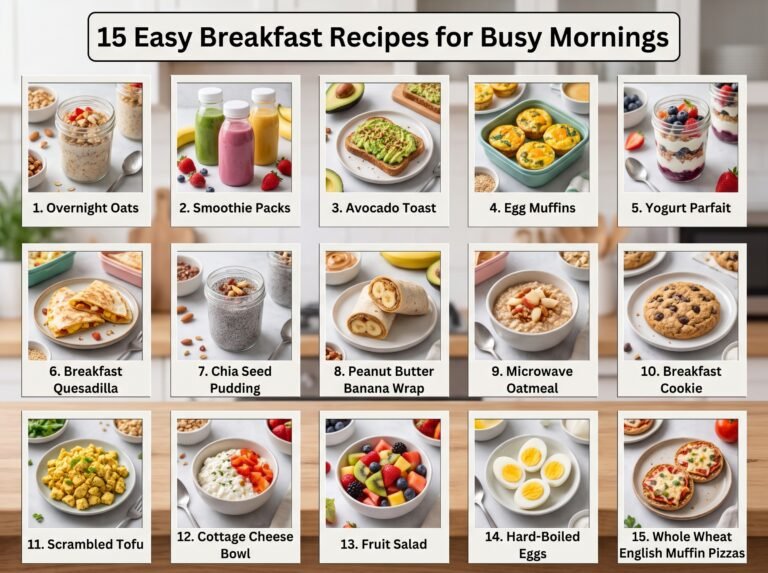
- Greek yogurt with fresh berries and walnuts
- Whole-grain toast with avocado and tomatoes
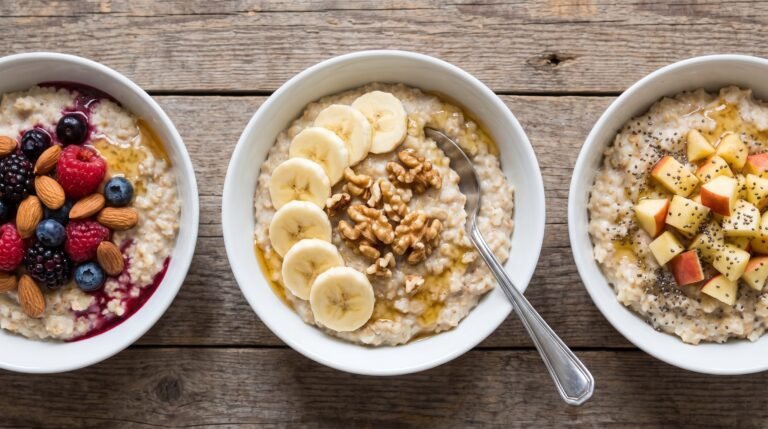
- Oatmeal topped with fruit and almonds
Lunch
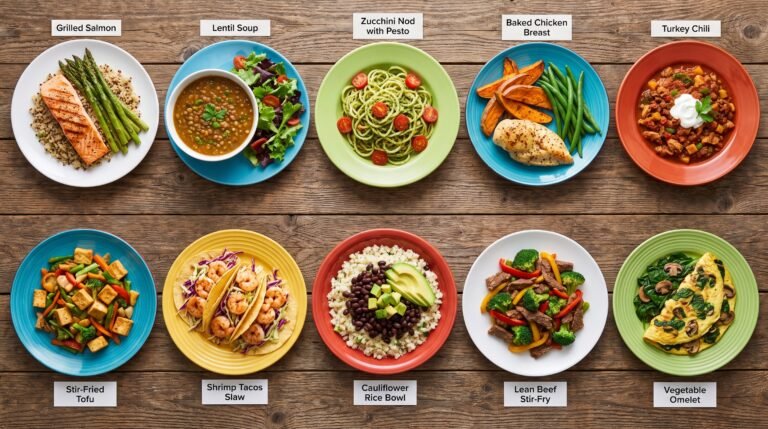
- Grilled chicken salad with olive oil dressing
- Lentil soup with whole-grain bread
- Tuna salad with vegetables
Dinner
- Grilled salmon with roasted vegetables
- Chicken with brown rice and steamed broccoli
- Whole wheat pasta with tomato sauce and vegetables
Healthy Snacks
- Mixed nuts
- Fresh fruit
- Hummus with carrot and cucumber sticks
- Greek yogurt
Foods to Eat
- Fresh vegetables
- Fresh fruits
- Whole grains
- Olive oil
- Beans and lentils
- Fish
- Chicken
- Eggs
- Greek yogurt
- Nuts and seeds
Foods to Limit
- Sugary drinks
- Processed foods
- White bread
- Candy
- Processed meats
- Fried foods
- Excess butter
- Pastries
Tips for Following the Mediterranean Diet
Start by replacing butter with extra virgin olive oil in your daily cooking. Fill at least half of your plate with vegetables and include fresh fruit as a dessert instead of sweets. Choose whole-grain bread, brown rice, or whole wheat pasta whenever possible.
Try eating fish at least twice a week and reduce processed foods. Drinking enough water and staying physically active are also important parts of this healthy lifestyle.
Meal planning can make it easier to follow the Mediterranean diet. Preparing ingredients ahead of time and keeping healthy snacks available helps you make better choices during busy days.
Common Mistakes to Avoid
Many beginners think the Mediterranean diet means eating unlimited amounts of olive oil or nuts. Although these foods are healthy, portion control is still important because they are high in calories.
Another common mistake is relying on processed foods labeled as “Mediterranean.” The real Mediterranean diet focuses on fresh, whole ingredients rather than packaged convenience foods.
Skipping vegetables is another mistake. Vegetables should be a major part of most meals because they provide fiber, vitamins, and antioxidants.
Frequently Asked Questions
Is the Mediterranean diet good for weight loss?
Yes. When combined with portion control and regular physical activity, the Mediterranean diet can support healthy and sustainable weight management.
Can I eat pasta on the Mediterranean diet?
Yes. Whole wheat pasta is a great option, especially when served with vegetables, olive oil, or tomato-based sauces.
Is dairy allowed?
Yes. Moderate amounts of yogurt and cheese are commonly included.
Can beginners follow this diet?
Absolutely. The Mediterranean diet is simple, flexible, and easy to adapt to different lifestyles.
For a healthy breakfast, don’t miss our 10 Healthy Breakfast Ideas for Busy Mornings.
Conclusion
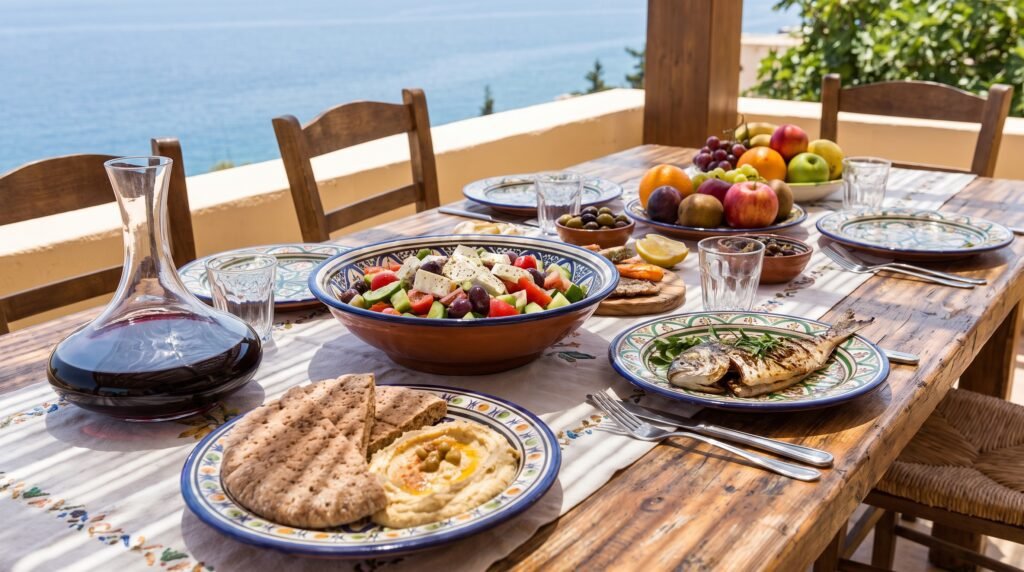
The Mediterranean diet is more than just a way of eating—it is a healthy lifestyle that emphasizes fresh ingredients, balanced meals, and long-term wellness. By choosing vegetables, fruits, whole grains, lean proteins, healthy fats, and natural foods, you can enjoy delicious meals while supporting your heart, brain, and overall health.
Whether your goal is to improve your nutrition, maintain a healthy weight, or simply enjoy flavorful home-cooked meals, the Mediterranean diet is an excellent choice. Start with small changes, build healthy habits over time, and enjoy the many benefits this eating pattern has to offer.