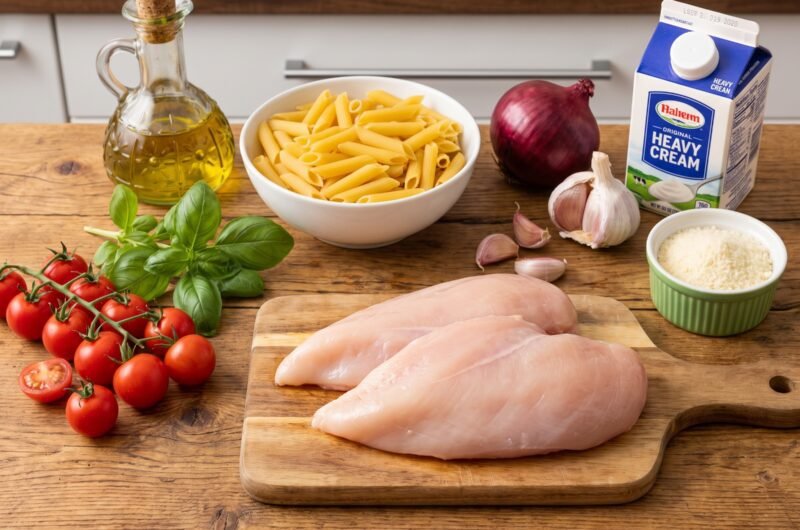
Best Kitchen Tips and Cooking Hacks
Course: Cooking GuideCuisine: InternationalDifficulty: Beginner1
servings10
minutes10
minutes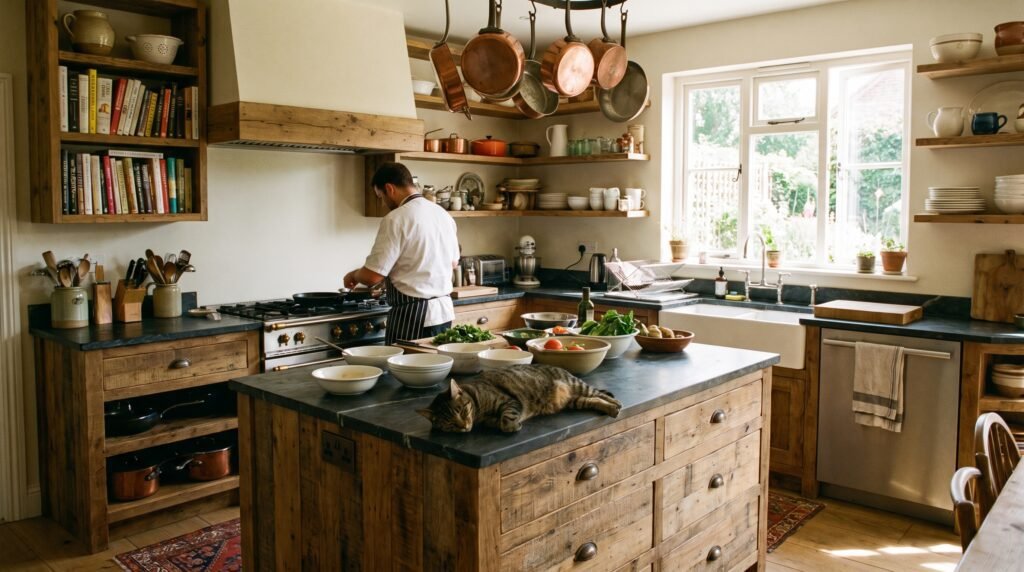
Introduction
Learning practical kitchen tips can completely transform the way you cook. Whether you’re a beginner preparing your first meal or an experienced home cook looking to improve efficiency, small cooking hacks can save time, reduce stress, and make every recipe more enjoyable.
The best kitchen tips are often simple habits that improve food preparation, cooking, storage, and cleaning. By using smart techniques, you can avoid common mistakes, reduce food waste, and create better meals with less effort. This guide shares 25 of the most useful kitchen tips that every home cook should know.
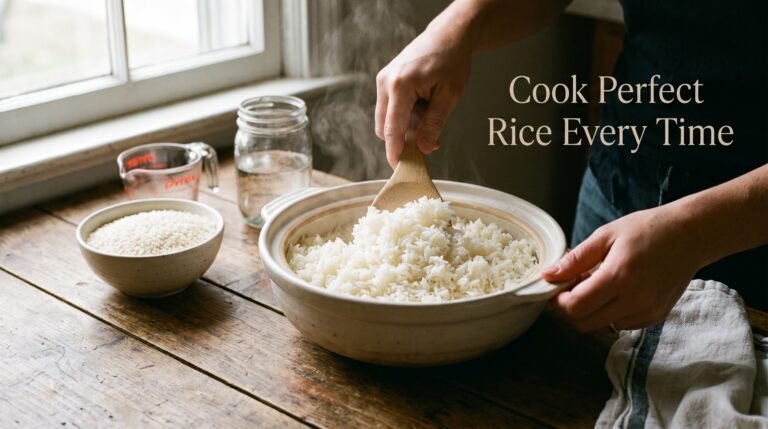
If you’re learning basic cooking skills, read our How to Cook Perfect Rice Every Time.
Why Kitchen Tips Matter
Cooking becomes easier when you understand a few essential techniques. Good kitchen habits help improve food safety, make recipes more successful, and allow you to work faster and more confidently.
Simple improvements like organizing ingredients before cooking, using sharp knives, and storing food correctly can make a significant difference in your daily routine.
These kitchen tips are designed to help beginners build confidence while cooking at home. By following these practical kitchen tips, you can prepare meals more efficiently, improve food quality, and avoid many common cooking mistakes.

25 Best Kitchen Tips and Cooking Hacks
1. Read the entire recipe before you start.
2. Prepare all ingredients before cooking.
3. Keep your knives sharp.
4. Taste your food while cooking.
5. Season gradually instead of adding too much salt at once.
6. Always preheat your oven.
7. Let cooked meat rest before slicing.
8. Store herbs in water to keep them fresh longer.
9. Label leftovers with the date.
10. Clean as you cook.
11. Use fresh ingredients whenever possible.
12. Don’t overcrowd the pan.
13. Measure baking ingredients carefully.
14. Keep spices away from heat and sunlight.
15. Use separate cutting boards for raw meat and vegetables.
16. Save vegetable scraps for homemade stock.
17. Freeze leftover herbs in olive oil.
18. Dry vegetables before roasting.
19. Use a thermometer when cooking meat.
20. Let dough rest when baking.
21. Store dry foods in airtight containers.
22. Keep your refrigerator organized.
23. Learn basic knife skills.
24. Plan meals for the week.
25. Practice regularly—the more you cook, the better you become.
Common Kitchen Mistakes
Many beginners rush recipes, cook over very high heat, or skip reading instructions. Others use dull knives, which are less safe than sharp ones, or forget to taste food before serving. Avoiding these common mistakes will improve your cooking results and build confidence in the kitchen.
Meal Planning Tips
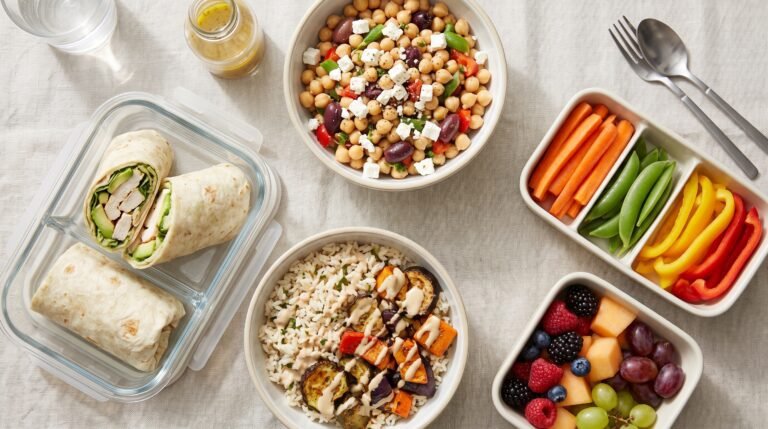
Planning your meals before shopping helps reduce food waste and saves money. Create a weekly menu, prepare ingredients ahead of time, and store leftovers properly for quick meals during busy days.
Kitchen Organization Tips
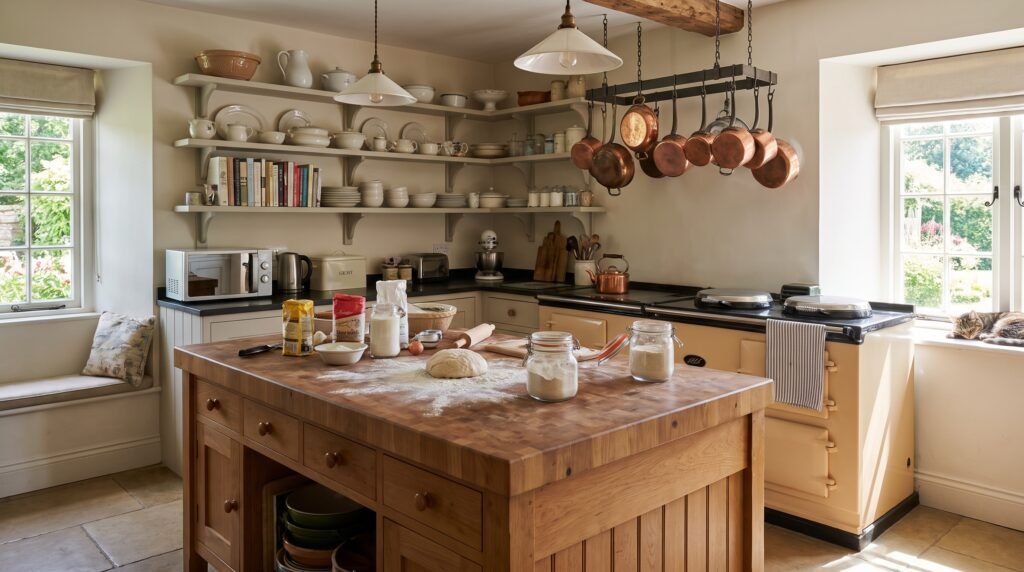
A clean and organized kitchen makes cooking more enjoyable. Keep frequently used utensils within easy reach, group similar ingredients together, and regularly check expiration dates in your pantry and refrigerator.
For more food safety and kitchen best practices, visit the USDA Food Safety website.
Kitchen Tools Every Home Cook Should Have
Having the right kitchen tools can make cooking easier, faster, and more enjoyable. A sharp chef’s knife, a sturdy cutting board, measuring cups, mixing bowls, and a non-stick frying pan are essential for preparing many recipes. A food thermometer is also useful for checking that meat is cooked safely, while a colander makes washing vegetables and draining pasta much easier. Investing in a few high-quality kitchen tools can improve your cooking experience and help you achieve better results every time.
Food Storage Tips to Keep Ingredients Fresh
Proper food storage is an important part of every kitchen. Store dry ingredients like rice, flour, and pasta in airtight containers to protect them from moisture and pests. Keep fresh fruits and vegetables in the correct sections of your refrigerator to extend their freshness. Label leftovers with the date before refrigerating them and try to use them within a few days. Freezing extra portions of soups, sauces, and cooked meals is another excellent way to reduce food waste and save time during busy weeks. Following these simple food storage tips helps maintain food quality, improves safety, and reduces unnecessary waste.
Frequently Asked Questions
What are the most important kitchen tips for beginners?
Start with reading recipes completely, preparing ingredients before cooking, using sharp knives safely, and keeping your workspace clean.
How can I save time while cooking?
Meal planning, ingredient preparation, and cleaning as you cook are some of the best ways to save time.
Why is meal preparation important?
Preparing ingredients before cooking makes recipes easier to follow and helps prevent mistakes.
How do I reduce food waste?
Store food properly, freeze leftovers, and plan meals before grocery shopping.
The best kitchen tips are the ones you practice every day. Over time, these simple kitchen tips will become natural habits, making meal preparation faster, safer, and much more enjoyable.
Looking for healthier eating habits? Explore our Mediterranean Diet: Benefits and Meal Ideas.
Conclusion
Following these kitchen tips will help you become a more confident and efficient home cook. Small improvements in preparation, organization, and cooking techniques can make a big difference in your daily routine. Whether you’re cooking simple family dinners or trying new recipes, these practical tips will help you save time, reduce waste, and enjoy better results every time you step into the kitchen.